
5 Common Sunflower Growing Mistakes: Spacing, Sowing, Watering, Support, and Light
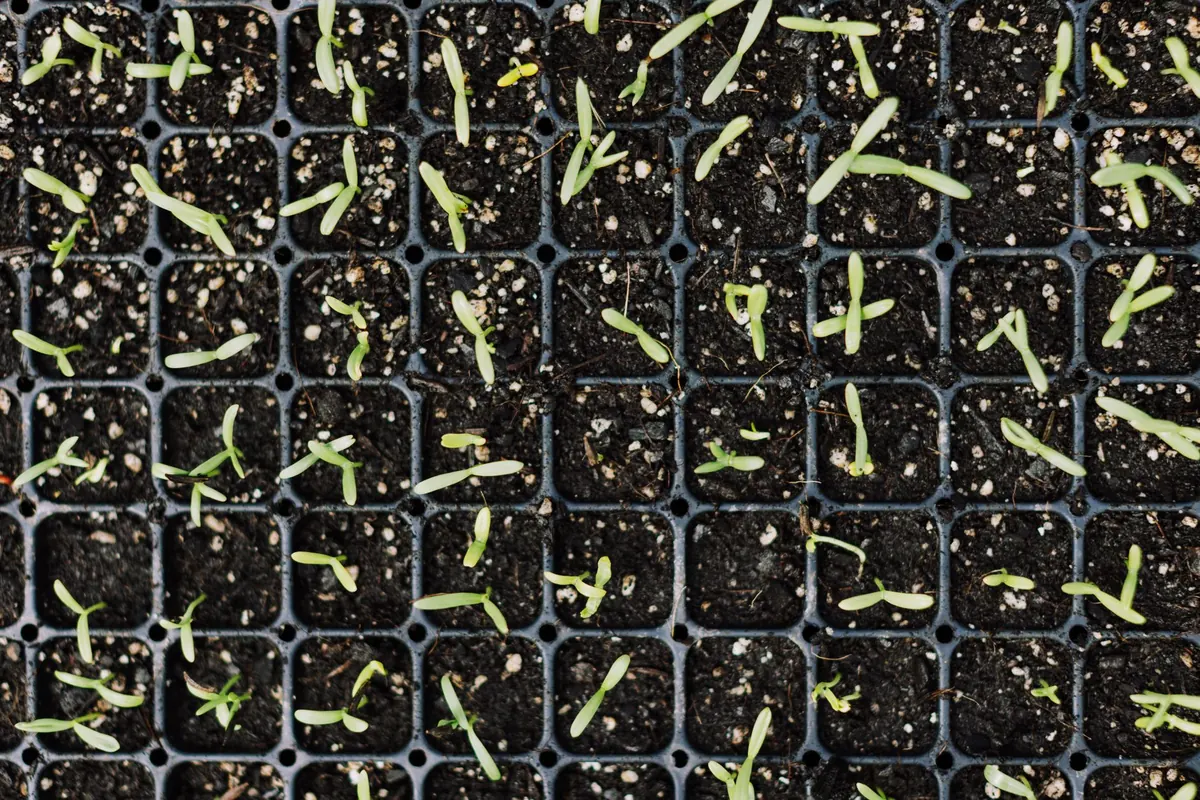
A sunflower seed is one of the most hopeful things you can push into the soil. Within weeks you have a stout seedling; within months, a plant tall enough to change the shape of a border. That speed is part of the pleasure, and part of the problem. Sunflowers grow so eagerly that small errors made in the first fortnight can follow them all summer: a crowded row that mildews, a stem that leans across the path, a flower head that never quite fills out. The good news is that none of these problems requires special equipment. Most come down to five ordinary decisions: where you put the seed, when you sow it, how you water, whether you stake, and how much sun the plant receives. Get those right and the plants do the rest.
1. Spacing: Giving Plants Room to Become Themselves
The most common spacing mistake is treating the seed packet as a vague suggestion. A row of tall sunflowers set 20 cm apart can look generous in June. By August it is a thicket. Crowded plants compete for water and nutrients, their lower leaves stay damp, and air movement drops. That combination invites mildew and weak, stretching stems. The flower heads may still open, but they will be smaller and harder to keep upright.
Decide the final spacing before you sow. Tall varieties such as ‘Russian Giant’ usually want 45–60 cm between plants; dwarf types such as ‘Teddy Bear’ can manage with 30–40 cm. If you are unsure, err wider. Sunflowers are not shy about filling space.
For direct sowing, sow two seeds at each station and thin to the strongest seedling when the plants are 5–8 cm tall. Snip the spare at soil level rather than pulling it, which disturbs the roots of the one you are keeping. Transplants should go into the ground at the same final spacing, even if the pots look small and innocent on the bench.
- Mark planting stations with canes or a string line before you open the packet.
- Sow two seeds per station, then thin to one strong plant.
- Leave a little extra room beside paths, fences and vegetable beds so you can reach the stems.
2. Sowing: Rushing the Start and Burying the Seed
Cold, wet soil is the classic sowing error. Sunflower seeds need warmth to germinate well. Put them into a chilly border too early and they sit, soften and rot, or produce seedlings that sulk for weeks. Direct sowing after the danger of frost has passed is usually the simplest route. The soil should feel warm to the touch, not merely free of frost.
Depth matters too. A seed pushed 5 cm down is working much harder than it needs to. Aim for roughly 1–2 cm, pressed gently into fine soil and kept moist but not soaked. If birds or slugs are a problem, cover the sown row with a cloche, fleece or a simple net until the seedlings are established.
If You Start Indoors
Use deep pots or biodegradable tubes: sunflowers have a taproot and resent being crammed into shallow trays. Start them a few weeks before the last frost, keep them in good light, and harden them off gradually before planting out. A leggy indoor seedling that has never felt wind will need more staking later, so give it a gentle introduction to the outdoors rather than a sudden move.
3. Watering: Little and Often Is Not Kindness
A daily flick of water from a watering can feels attentive, but it encourages shallow roots. Sunflowers are thirsty plants, yet they respond best to deep, less frequent watering. Soak the soil around the base, then let the surface begin to dry before watering again. Aim the water at the soil, not over the leaves. Wet foliage, especially in the evening, is an open invitation to fungal problems.
Before watering, push a finger 3–5 cm into the soil. If it is dry at that depth, water properly. If it is still cool and damp, wait. A thick mulch of garden compost or straw helps hold moisture and keeps the soil temperature more even. Containers dry out much faster than garden beds, so check them daily in hot weather, but still water thoroughly rather than splashing the surface.
Seedlings need consistent moisture while they establish. Once plants are growing strongly, they can handle more variation. If leaves wilt at midday, check the soil before reaching for the can; sunflowers often recover by evening, and overwatering can be worse than a short, dry spell.
4. Support: Waiting Until the Stem Has Already Leaned
Tall sunflowers with heavy heads need support before they need it. A stake stabbed in after a windy night can pierce roots, damage the stem and look like an afterthought. Put the support in at planting time, when you can see exactly where the root ball sits.
For tall varieties, use a bamboo cane or sturdy wooden stake around 1.8–2.4 m long and push it 30 cm into the soil. Tie the stem with soft twine in a figure-eight loop, which holds the plant without strangling it. Add another tie higher up as the plant grows, and check ties after rough weather. Branching sunflowers may need a group of canes and a loop of twine around the whole clump rather than one rigid stake.
- Insert the stake at planting time, close to the stem but outside the root ball.
- Tie loosely with soft twine, leaving room for the stem to thicken.
- Check and adjust ties every couple of weeks through summer.
- In exposed sites, add a low windbreak or plant a sturdier row nearby.
5. Light: Planting in the Shadow of Good Intentions
Sunflowers are not subtle about their needs. They want full sun, which means at least six hours of direct light a day and more if you can give it. A plant in shade will stretch toward the light, producing a thinner stem and a smaller head. It may also lean badly, however carefully you stake it.
The mistake is often made before planting: a sunny spot in April is not the same as a sunny spot in July. Watch the border at different times of day. A bed that looks bright in the morning may sit in the shadow of a house or hedge by early afternoon. Keep sunflowers away from the north side of a fence, out of the shadow of tall perennials, and clear of vigorous climbing beans or sweet corn. Containers can be moved, so rotate them a quarter turn every few days to keep growth even. If your garden is genuinely shady, choose a compact dwarf variety rather than fighting for height in poor light.
A Short Check Before You Plant
Sunflowers are forgiving, but they are not mind readers. A few minutes of planning now will save weeks of propping, thinning and fretting later.
- Mark final spacing before sowing, then thin without hesitation.
- Sow only when the soil is warm, and keep seeds shallow.
- Water deeply at the base, not lightly over the leaves.
- Put the stake in at planting time, not after the first storm.
- Track the sun across your chosen spot before you commit.
Give them room, warmth, deep water, a little support and a sunny site, and sunflowers will repay you with the straight, heavy-headed stems the packet promised.
Photo: K / Pexels