
Single-Stem vs. Branching Sunflowers for Bouquets
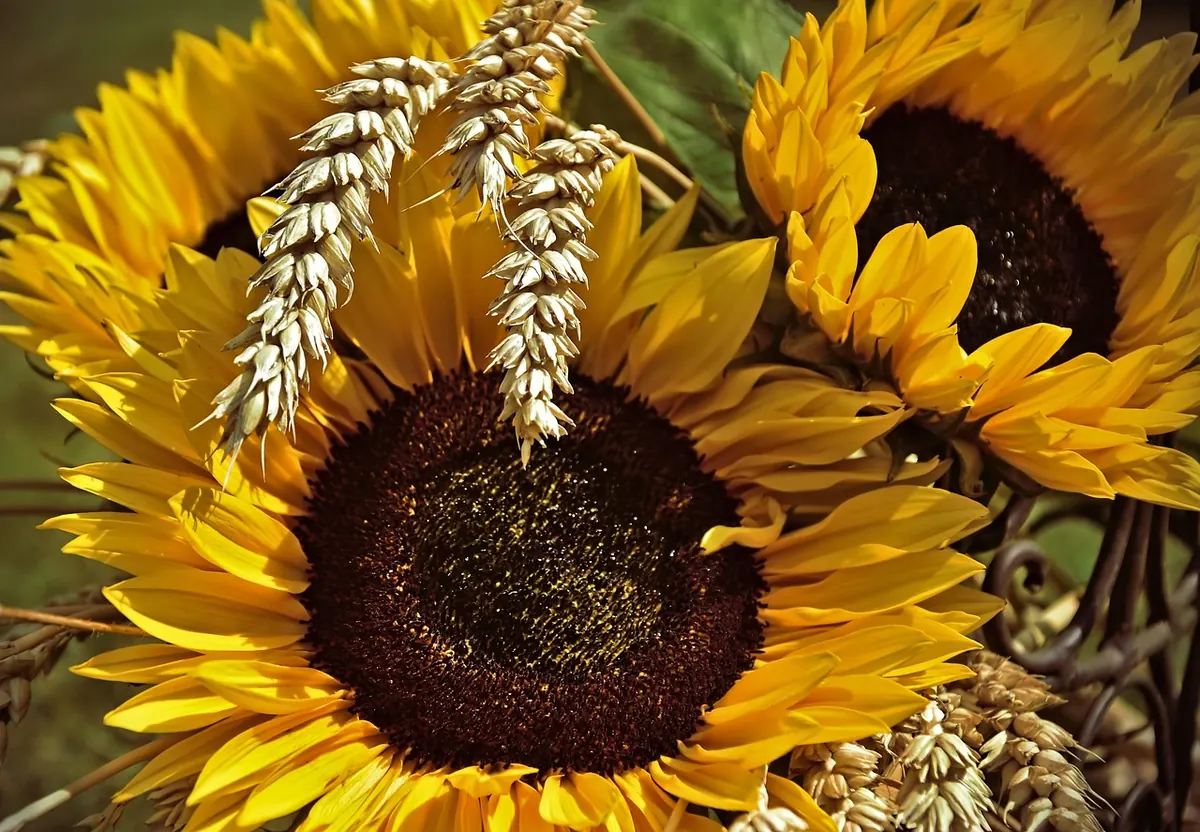
Sunflowers look simple from a distance: a tall stem, a big face, done. Then you start cutting them for the kitchen table, or for a bucket to sell, and the differences start to matter. Two plants of the same height can behave completely differently in the garden and in the vase. One gives you a single perfect head on a stiff stem and then it is finished. The other keeps throwing side shoots for a month. Choosing between single-stem and branching sunflowers is the first real decision a cut-flower grower makes, and it shapes everything from your sowing calendar to how many plants fit in a bed.
Two Habits, Two Different Jobs
A single-stem sunflower puts its energy into one terminal flower. Most of the modern cut-flower varieties are bred this way: ProCut, Sunrich, Vincent. They are typically pollenless, tall, straight and remarkably uniform, because uniformity is the whole point. One plant produces one stem. Cut it and the plant is done — pull it, compost it, replant the gap.
A branching sunflower builds a central stem and then sends out side shoots from the leaf axils below the head. Cut the main flower and the side shoots keep developing, often for six weeks or more. The heads are smaller, the stems are sometimes thinner, and the whole plant is far less predictable. Open-pollinated favourites and most of the heirloom seed you find in packets fall into this group.
There are also varieties that sit in between, sold as branching but flowering early on a strong central head before the side shoots catch up. Treat those as branching and give them room, and you will not go far wrong.
Bloom Productivity: Counting Stems, Not Heads
Productivity means different things depending on what you are doing with the flowers.
With single-stem types, the maths is refreshingly blunt: one plant, one stem. A bucket of ten stems means ten plants, and a bed of sixty plants gives you sixty cuts and then an empty bed. The compensation is density. In a dedicated cutting bed you can space single-stem sunflowers as close as 15–23 cm (6–9 in) within the row, with rows about 30 cm apart, because each plant only has to support one stem and does not need elbow room for side shoots. You get a large, even flush of saleable flowers from a modest patch.
Branching types ask a different question: not how many plants, but how many cuts per plant. A well-grown branching sunflower can give you anywhere from eight to twenty usable stems over the season, depending on variety, spacing and feeding. The stems are shorter and lighter, which suits some work and not others. But a single plant can fill several jam-jar arrangements, and that is difficult to argue with.
The succession question
Because single-stem plants are one-and-done, you either sow in succession or you get a glut followed by nothing. Sowing a new tray every ten to fourteen days from last frost through midsummer spreads the harvest and keeps fresh stems coming. If you have one sowing date and a small garden, though, all sixty plants will flower within roughly the same ten days and then stop.
Branching sunflowers stretch a single sowing across weeks by themselves. They are the more forgiving choice for a gardener who sows once and would like flowers into September.
One manipulation worth knowing: pinch out the growing tip of a branching sunflower when it has five or six true leaves. You lose the earliest central head but get a bushier plant with more side shoots, and flowering shifts back by a week or two. Some growers pinch half a row and leave half unpinched to hedge their bets.
Arranging Flexibility: What Each Type Brings to the Bucket
Single-stem sunflowers are structure. Long, straight, rigid stems with a big face at a consistent height make them easy to place in a hand-tied bouquet or a tall arrangement, and they carry a design when the head is the focal point. If you are making ten matching table arrangements, uniformity is not a compromise — it is the entire appeal. The drawback is that a big head is hard to tuck into a gap. Sunflowers do not blend so much as take over.
Branching types are movement. A spray with three or four smaller blooms on one stem can be dropped into a mixed bouquet to fill space, add height without weight, and pull the eye through the arrangement. They are excellent in bud vases and small jars, where a single big sunflower would look absurd. They are also the better choice for the loose, gathered-from-the-garden look, especially when mixed with grasses, amaranth or cosmos.
Harvest stage matters for both. Cut single-stem types when the petals have just started to lift away from the centre and the back of the head is turning from green to yellow — they will open the rest of the way in the vase. Cut branching sprays when the lead flower is open and the side buds are coloured but still tight, so the whole spray opens over several days. Harvest in the morning, strip the lower leaves, cut at an angle and stand the stems in cool water for a few hours before arranging. Expect roughly five to seven days of vase life, longer if you change the water and re-trim the stems.
Space, Spacing and Garden Footprint
Single-stem sunflowers are the efficient use of a small cutting patch: tight spacing, a short time in the ground (often 55–75 days from sowing to flower, depending on variety and season), and a clear gap afterwards for a follow-on crop of greens or radishes.
Branching sunflowers need 45–60 cm between plants and will occupy their space for most of the season, often 75–100 days from sowing to first flower. They grow tall and top-heavy, so plant them along a fence, at the back of a border, or behind a row of stakes — wind will lean them over otherwise. In exchange, they feed pollinators for weeks, and open-pollinated types will give you seed to save and heads to leave for the birds.
Varieties Worth Sowing First
- ProCut Orange, ProCut White Nite — single stem, pollenless, fast and uniform; the workhorse of cut-flower beds.
- Sunrich Lemon, Sunrich Orange — single stem, classic florist sunflowers with strong straight stems.
- Vincent varieties — single stem with generous heads, good for event work where you want impact.
- Autumn Beauty — branching, mixed warm tones on one plant, flowering over a long window.
- Chocolate Cherry — branching, tall and deep burgundy; dramatic in mixed bouquets.
- Italian White — branching, pale cream and light-textured, ideal for airy summer arrangements.
If you want pollen-free stems for indoor arrangements, check the packet: pollenless varieties are almost always single-stem types, and a branching sunflower will dust your tablecloth in yellow.
A Practical Planting Plan
Most cut-flower growers end up using both, and the ratio is worth thinking about before you sow. A sensible starting point for a small garden is two-thirds single-stem and one-third branching: enough uniform, straight stems to build bouquets around, plus a row of sprays for filling, for small vases and for cutting after the main flush has passed.
Sow the single-stem varieties in succession, ten to fourteen days apart, from last frost until about ten weeks before your first autumn frost. Sow the branching row once, early, and pinch half of it. Stake the branching plants before they need it, not after. Keep a simple note of sowing dates, days to flower and how many usable stems each plant gave you — after two seasons that notebook will be worth more than any seed catalogue description.
Photo: Peggychoucair / Pixabay