
How to Grow Sunflowers from Seed in Containers: A Step-by-Step Guide
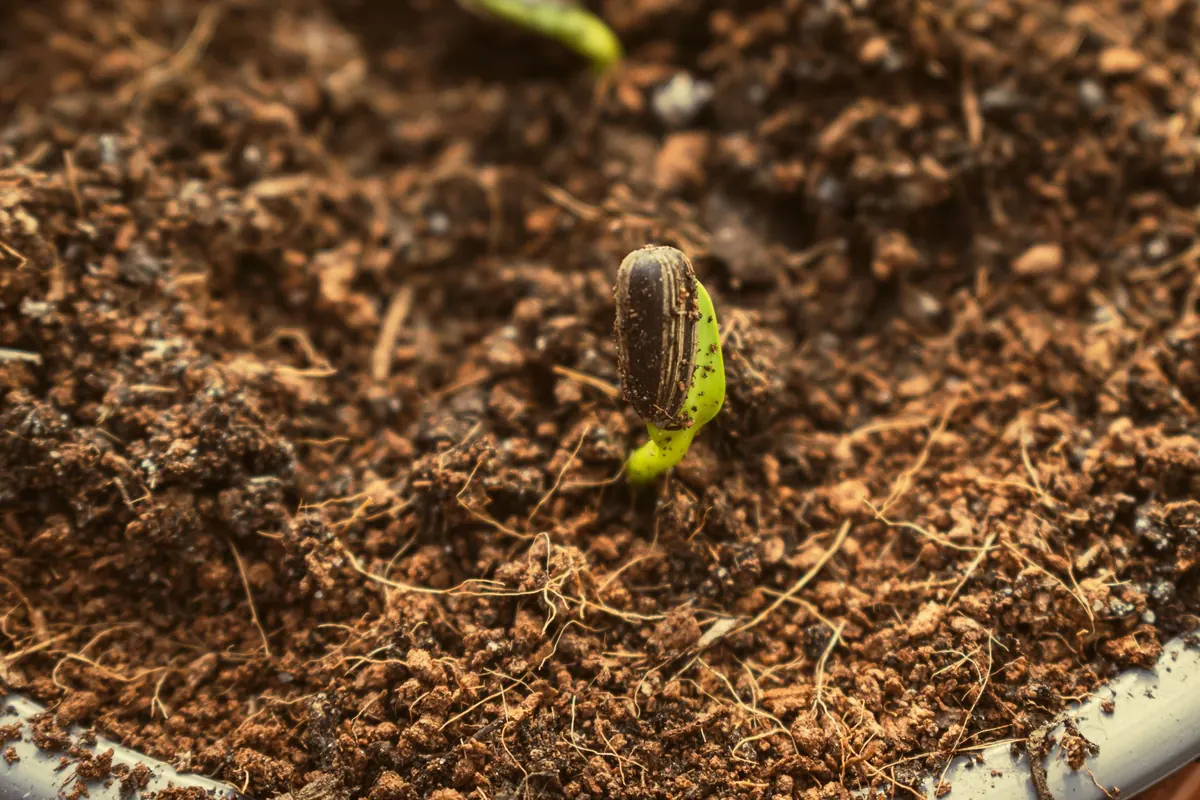
A sunflower in a pot sounds like a contradiction. These are plants built for field margins, tall enough to make a hedge look modest. But the compact varieties now widely available are genuinely happy in containers, and growing them on a balcony or a sunny step brings the flowers down to eye level, where you can watch a bumblebee work its way across the disc. Containers also give you control over the two things sunflowers are fussiest about: drainage and early warmth. Get the first six weeks right and the rest is mostly watering.
Choose a variety that suits the pot
Start with the seed packet and read the height. A two-metre giant in a 30 cm pot will spend the summer root-bound, thirsty and leaning sideways. The plants you want are described as dwarf, patio or compact, and most stay between 40 cm and 90 cm.
There are two useful habits to know about. Single-stem types produce one large head on one strong stalk. Good examples include 'Sunspot', which stays very short with an oversized flower, and the pollen-free cutting types that hold their heads upright. Branching types, such as 'Music Box' mixes or 'Teddy Bear' with its fluffy double blooms, make a bushier plant and keep producing side flowers over a long season. For a pot, branching often gives better value: more flowers for the same root space, and no bare stem once the main head fades.
If you have room for several pots, sow a few seeds every three or four weeks from spring into early summer rather than everything at once. The later sowings take over as the first plants finish, and you get flowers into September instead of a single crowded fortnight in July.
Potting mix and container size
Sunflowers have a long taproot, so depth matters more than width. One dwarf plant needs a container at least 30 cm across and 30 cm deep; give the semi-dwarf and branching varieties 40 to 45 cm. Terracotta is heavier and therefore steadier in wind, but any sturdy pot with generous drainage holes will do. A plant in a light plastic pot on a windy balcony is a plant that ends up on its side.
Skip garden soil. In a container it compacts, drains badly and pulls away from the sides when it dries. Use a peat-free multipurpose compost, loosened with a handful of perlite or horticultural grit, and mix in a slow-release fertiliser at planting time.
A quick checklist before you sow:
- Drainage holes, clear and unobstructed, with a few crocks at the base.
- A pot deep enough for the taproot, not just wide enough for the top growth.
- A spot in full sun — six hours or more, ideally including the morning.
- A saucer, useful in July, but emptied rather than left standing full.
- A cane or support ready before the seed goes in, not after.
Sowing: depth, spacing and warmth
Sunflower seeds are large and easy to handle, which makes them a good first crop for children, but they rot readily in cold, wet compost. Wait until the soil has warmed, roughly two to three weeks after your last expected frost, or start indoors three or four weeks earlier in small pots.
- Fill the pot with moist — not sodden — compost, firm it gently and water before sowing so you don't disturb the seed afterwards.
- Make holes about 1.5 cm deep, roughly two to three times the thickness of the seed. Deeper than that and germination drops off.
- Drop in two or three seeds per pot, spaced a few centimetres apart, and cover with compost. Label it, because the seedlings all look alike.
- Keep the pot at around 18–21°C. A clear plastic bag or a propagator lid holds humidity, but remove it the moment the first shoot appears.
- Move the pot into bright light straight away. Seedlings that sprout in dim light grow pale, spindly stems that never quite recover.
Germination usually takes a week to a fortnight. Don't worry about which way up the seed sits; it sorts itself out.
Thinning and the first few weeks
Once the seedlings have their first pair of true leaves, choose the strongest and remove the rest. Snip the extras at compost level with small scissors rather than pulling them out, which disturbs the roots of the plant you're keeping. One plant per 30 cm pot is the right density; crowded seedlings compete for water and light and end up thin and weak.
If you started indoors, harden the plants off over a week to ten days, putting them outside for a few hours at first and extending the time gradually. Watch for slugs in that first week outdoors — young sunflower stems are a favourite. A copper ring around the pot or a evening patrol with a torch deals with most of the problem.
Watering and feeding through summer
A sunflower in the ground can send roots deep for moisture. In a pot it depends entirely on you. Water thoroughly, until it runs out of the base, then let the top few centimetres dry before watering again. Little daily sprinkles produce shallow roots and a plant that wilts the moment you miss a morning.
Two practical checks work better than a schedule. Push a finger into the compost up to the second knuckle. Then lift the pot: a light pot needs water, a heavy one doesn't.
Water in the morning where you can, at the base rather than over the leaves. Damp foliage overnight is an invitation to powdery mildew.
Feed with a high-potash liquid fertiliser every two weeks from the moment buds appear. Too much nitrogen gives you a large leafy plant and very few flowers. A mulch of garden compost over the surface slows evaporation and keeps the roots cool during hot spells.
Staking before you need it
Put the support in at sowing time. Pushing a cane into a pot in July means spearing the taproot of a plant that has nowhere else to go. A single cane two-thirds the final height of the variety is enough for most dwarf types; a large branching plant is steadier inside a tripod of three canes linked at the top.
Tie the stem with soft twine in a loose figure of eight, looping around the cane between the two strands so the stem isn't pinched. Leave a little slack. Stems thicken as they grow, and a tight tie will cut into the plant within a month. Check ties every couple of weeks and loosen them as needed.
Wind is the real enemy, especially once a head is heavy with seed after rain. A sheltered wall, a corner against a railing, or simply moving the pots closer together during a blow will save more plants than any amount of string.
Keeping the display going
Cut faded heads off branching varieties and they will keep sending up side shoots until the weather cools. Leave one or two heads to ripen at the end of the season if you want to feed the birds or save seed from an open-pollinated variety — dry them somewhere airy, then store in a paper envelope.
Aphids cluster on young buds; a sharp blast from the hose usually knocks them back. Powdery mildew, that greyish dusting on the leaves, is best prevented by good air movement and watering at the base rather than over the foliage. Neither problem is serious in a well-tended pot.
The whole exercise asks very little of you: a decent pot, a compact seed, sun, and water that goes in properly rather than often. Do that, and by midsummer you'll have a plant that turns its face to follow the sun across the balcony, inches from the kitchen window.
Photo: Nikolett Emmert / Pexels