
Deadheading Sunflowers: When to Cut Spent Blooms (and When to Leave Them)
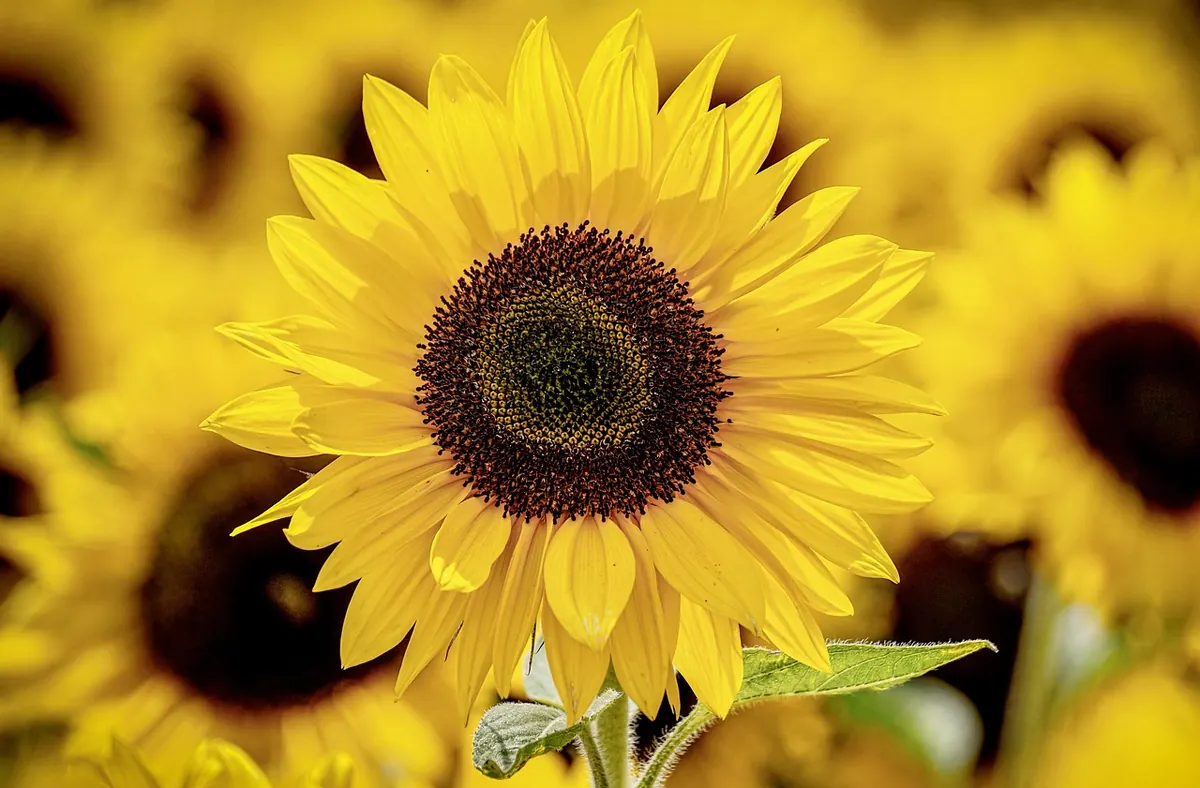
A sunflower past its peak is not a pretty sight. The petals droop, the head grows heavy, and the whole stem leans over as if it would rather be somewhere else. The urge to cut it off and tidy the border is strong. So is the urge to leave it alone and see what happens. Both instincts are correct, depending on the plant in front of you and what you want from it.
Deadheading is one of those jobs that sounds simple until you are standing there with pruners in hand, unsure whether you are helping or ruining something. With sunflowers the answer usually comes down to one question: do you want more flowers, or do you want seed? Once you know that, the timing and the technique follow quite naturally.
What Deadheading Actually Does
Sunflowers are annuals. Each plant has one growing season to flower, set seed and finish. Once a flower has been pollinated and the seeds inside begin to swell, the plant starts moving energy and water into that head. It is not being lazy; it is doing exactly what it evolved to do.
Remove the head before that process gets far along, and on a branching sunflower the plant redirects its effort into the side shoots further down the stem. Those shoots produce the next round of smaller flowers. Cut spent blooms every few days through midsummer and a well-branched variety will keep producing over a long stretch instead of spending six weeks filling one head with seed.
On a single-stem sunflower, none of this applies. There are no lateral buds waiting to swell, so cutting the one flower does not trigger a second flush. The plant is finished flowering either way, and cutting only means you get the stem for a vase or keep it from setting seed. That is worth knowing before you feel like a failure for not deadheading a Mammoth sunflower.
One thing deadheading does not do is rob pollinators. A sunflower head is only receptive and pollen-rich for a short window. By the time the petals are hanging limp and the center disc has lost its fluffy, dusty look, the bees have moved on. Cutting it then takes nothing from them.
The Signs That Say "Cut Me Now"
For reblooming, you want to act while the plant still has time and energy to push out new buds. The window is roughly a week or two, and in hot weather it closes fast. Look for these cues:
- The petals fade and droop. They may still be attached, but they have lost their colour and their snap.
- The center disc changes texture. It stops looking fuzzy with pollen and starts looking tight, dense and a little dull.
- The head begins to nod. Heavy heads tipping downward usually mean seed is forming.
- The back of the head is still green. This is the key detail. Green means you are early enough to redirect energy. Once the back turns brown and woody, the plant has committed to seed.
Check branching varieties every two or three days in July and August. A quick walk with a bucket in the cool of the morning catches most of them before they pass.
How to Deadhead, Step by Step
Sunflower stems are coarse and slightly hairy, and they bruise easily if you crush them, so a clean cut matters more than force.
- Use sharp bypass pruners or secateurs. Scissors and blunt shears squash the stem and leave a ragged edge that struggles to heal.
- Follow the spent stem down past the flower and find the next strong lateral bud or a healthy pair of leaves.
- Cut about a quarter inch above that point, at a slight angle so water runs off rather than sitting in the cut.
- Leave several sets of leaves below the cut. Those leaves are the plant's engine; strip them and the next flowers will be small and late.
- On tall branching types, take no more than about a third of the stem in one go. If the plant is already stressed by heat or drought, deadhead less aggressively or not at all.
- Drop the heads into a bucket rather than onto the soil if the seeds are already forming. Otherwise you will find volunteers coming up in places you did not plan for.
- Bin any head showing rust spots or grey mould. Do not add diseased material to the compost heap.
Harvesting flowers for the house is deadheading with a bonus. Cut stems when the petals are just unfurling and the center is still tight, in the early morning, and plunge them straight into deep cool water. That single cut does the same job as a tidy-up later in the week.
When to Leave Spent Blooms Standing
From late summer onward, leaving heads on the plant starts to make more sense than cutting them. A ripening sunflower head is a small food factory for wildlife, and the process takes roughly four to six weeks from the last petal drop to fully mature seed.
Watch the back of the head. It shifts from green to cream, then to brown and corky. The petals fall, the seeds swell, and their shells harden from soft and pale to dark and firm. That is when goldfinches, chickadees, sparrows and nuthatches will start visiting. Leaving the stems standing through winter gives them a reliable food source and gives you something to look at when the border is otherwise bare. Hollow stems also shelter overwintering insects, so resist the urge to clear everything in October.
If you want some of that seed for yourself, the birds will happily take it first. Tie a paper bag over the head, or wrap it in a piece of old tulle or netting, once the seeds begin to darken. Cut the stem, hang the head upside down somewhere dry and airy, and let it finish ripening over a tray. Rub the seeds free once everything is crisp.
Leaving heads also means self-sown seedlings next spring. In a relaxed garden or a wilder strip at the back of a bed, that is a gift. In a tightly planned border it can be a nuisance, and the offspring of hybrids will rarely look like the parent plant. If the plants had rust or mildew this season, remove and bin the heads instead of leaving them.
Matching the Method to the Variety
The seed packet tells you most of what you need. Branching types respond to deadheading; single-stem types do not.
- Single-stem giants such as Mammoth or Russian Giant: one flower per plant. Cut it for the vase if you like, but expect nothing more from that stem.
- Branching heirlooms such as Autumn Beauty, Velvet Queen or Lemon Queen: several to many heads over the season. These are the ones worth deadheading regularly.
- Dwarf and semi-branching types such as Teddy Bear or Sunspot: a handful of flowers on compact plants. Deadhead for tidiness and to coax out a few more buds in containers.
- Pollenless hybrids bred for the cut flower trade: useful in arrangements, but far less attractive to bees. Grow these for cutting and leave a few pollen-rich varieties elsewhere in the garden for pollinators.
A Rule for the Whole Season
Keep it simple. From the first flower in early summer until roughly the end of August, cut fading heads regularly on anything that branches, and bring the best stems indoors. Then stop cutting. Choose a few strong plants, let their last heads ripen on the stem, and leave them standing for the birds or for your own seed harvest.
Carry pruners on your morning walk, cut above a healthy leaf pair, and don't overthink the ones that got away. Sunflowers are cheap to grow from seed and forgiving of mistakes. If a head ripens before you get to it, you have not lost anything; you have just changed your plan from bouquets to birdseed.
Photo: suju-foto / Pixabay